
The wooden gate installation cost in the UK typically ranges from £250 to £1,500 or more, depending on the type of gate, the timber used, its size, and whether new posts, fittings, or groundwork are required. A simple garden gate fitted between existing posts will usually cost much less than a bespoke driveway entrance or a large double gate.
Understanding what influences the final quotation can help you budget accurately and avoid unexpected expenses. While many homeowners focus on the price of the gate itself, installation, hardware, timber quality, site access, and long-term durability all play an important role in determining overall value.
Whether you’re replacing an ageing gate, improving security, or enhancing your property’s kerb appeal, this guide explains everything you need to know before requesting quotations from local installers.
Average Wooden Gate Installation Costs in the UK
Prices vary considerably because every property is different. Factors such as gate dimensions, access restrictions, existing posts, and timber choice all affect the total cost.
For example, a small wooden garden gate fitted between sound existing posts is generally the most affordable option. In contrast, larger entrance gates often require new structural posts, heavy-duty hinges, concrete foundations, and additional labour.
As a general guide:
| Gate Type | Typical Installed Cost |
| Small pedestrian garden gate | £250–£450 |
| Standard side gate | £350–£700 |
| Tall timber garden gate | £500–£900 |
| Double driveway gates | £900–£1,800+ |
| Bespoke hardwood gates | £1,500–£3,000+ |
These figures include both materials and professional installation, although every quotation should clearly state exactly what is included.
What Has the Biggest Impact on the Final Price?
Many online price guides only provide average figures, but the final quotation depends on far more than gate size alone.
Timber Quality
The species of timber is one of the biggest pricing factors.
Softwoods such as pressure-treated pine or redwood are commonly chosen because they provide good value and are suitable for many residential properties. When properly maintained, they can provide many years of reliable service.
Hardwoods including iroko, oak, and idigbo command a higher purchase price but offer exceptional durability and an attractive natural appearance. Many homeowners choose hardwood when investing in premium entrance gates or long-lasting driveway installations.
The UK Government also recommends using responsibly sourced timber to support sustainable forestry. Choosing certified timber helps ensure wood originates from well-managed forests while reducing environmental impact.
Gate Size
Larger gates naturally require more timber, stronger framing, and heavier hardware.
A pedestrian gate may only require two hinges and a latch, while larger entrance gates often need adjustable hinges, reinforced posts, drop bolts, and premium locking systems.
As dimensions increase, installation also becomes more labour intensive because installers must carefully align heavier gates to prevent future sagging.
Existing Gate Posts
Many homeowners assume replacing a gate simply involves hanging a new one.
In reality, installers first assess whether the existing posts remain structurally sound. Timber posts that have begun to rot below ground level or lean due to movement will usually need replacing before fitting a new gate.
Although replacing posts increases the initial quotation, it helps avoid costly repairs and premature gate failure.
Choosing the Right Wooden Gate
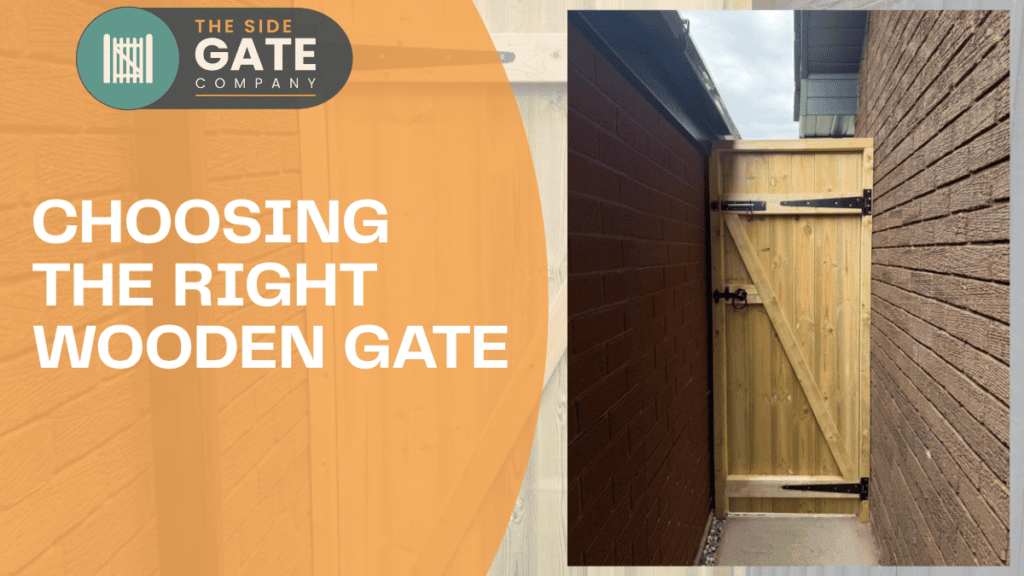
The right gate depends on how the entrance is used as well as the appearance of your property.
A traditional picket design works well for cottage gardens and front boundaries, while fully boarded gates provide greater privacy and security.
Many homeowners choose wood gates because they complement both modern and traditional homes, and timber can easily be stained or painted to match existing fencing.
Those looking for additional privacy often select a tall garden gate, particularly for side entrances where screening from neighbouring properties is important.
If your goal is improving kerb appeal, a well-crafted front gate wooden design can create an attractive first impression while defining the entrance to your home.
Supply Only or Garden Gate Supply and Fit?
One of the most common questions homeowners ask is whether it’s worth purchasing a gate separately before arranging installation.
While buying online may appear cheaper initially, the lowest purchase price doesn’t always represent the best value.
Professional garden gate supply and fit services generally include measuring, selecting suitable hardware, adjusting the gate during installation, and ensuring everything operates correctly before completion.
Because installers are responsible for both supplying and fitting the gate, any manufacturing or fitting issues can usually be resolved more efficiently than when multiple suppliers are involved.
For many homeowners, this provides additional peace of mind alongside a more straightforward installation process.
Labour Costs Explained
Labour costs vary depending on location, site conditions, and the complexity of the installation.
A straightforward replacement using existing posts may only require a few hours of work. However, installing new posts involves excavation, setting concrete, allowing suitable curing time where necessary, and carefully aligning the gate for smooth operation.
Restricted access can also increase labour time. Narrow pathways, uneven ground, mature landscaping, or sloping driveways all require additional preparation.
Professional installers will also ensure adequate clearance beneath the gate to account for seasonal ground movement while maintaining consistent alignment throughout its opening range.
When comparing quotations, always check whether labour includes removal and disposal of the old gate, new fixings, adjustments after installation, and VAT where applicable.
The Citizens Advice website offers useful guidance on obtaining quotations and understanding contracts before agreeing to home improvement work.
Does Gate Style Affect Installation Costs?
Absolutely.
A simple ledged-and-braced gate is relatively straightforward to install, whereas decorative arched gates or bespoke entrance gates often require greater precision during manufacture and fitting.
The choice of hardware also contributes to the final gate price. Premium hinges, heavy-duty latches, mortice locks, ring latches, and decorative ironmongery all add to the overall cost while improving durability and appearance.
For larger entrances, homeowners should also consider the long-term cost of driveway gates rather than focusing solely on the purchase price. Investing in quality materials and professional installation often reduces maintenance and repair costs over the life of the gate.
Hidden Costs That Can Affect Your Final Quotation
The initial quotation isn’t always the final amount you pay. Some installations reveal additional work once the old gate has been removed or the site has been inspected more closely.
One common issue is discovering that the existing posts have rotted below ground level. While they may appear stable from the outside, hidden decay can make them unsuitable for supporting a new gate. Replacing the posts at the same time is usually the best long-term solution, even if it increases the initial cost.
Ground conditions can also influence the price. Rocky soil, tree roots, or uneven terrain may require extra preparation before new posts can be securely installed. Likewise, if your property has restricted access, installers may need more time to transport materials and equipment, increasing labour costs.
If you’re replacing an older gate, ask whether your quotation includes removing and disposing of the existing gate and fittings. Some companies include this as standard, while others charge separately.
Repair or Replace?
Not every damaged gate needs replacing. If the frame remains structurally sound, replacing worn hinges, latches, or damaged boards may be enough to extend its lifespan.
However, replacement is often the more economical choice if the timber has extensive rot, the frame has twisted beyond repair, or the posts have become unstable. Continually repairing an ageing gate can become more expensive than investing in a new one designed to last for many years.
A professional inspection will help determine whether repairs offer good value or whether a replacement is the better long-term investment.
What Makes a Quality Gate Worth the Investment?
A well-made timber gate isn’t simply about appearance. Good craftsmanship improves strength, security, and reliability.
Quality gates use thicker framing, stronger joints, pressure-treated timber where appropriate, and heavy-duty ironmongery designed to withstand daily use. These features help prevent common issues such as sagging, sticking, or splitting.
If you’re comparing quotations, avoid choosing solely on price. A cheaper gate may use lower-grade timber or lighter fittings that require replacement much sooner.
Spending slightly more on quality materials often results in lower maintenance costs and a longer service life.
Ongoing Maintenance Costs
Timber gates require regular care to keep them looking their best and performing properly.
Applying a quality wood preservative or exterior stain every few years helps protect the timber from moisture, UV exposure, and fungal decay. Hinges, locks, and moving parts should also be checked periodically and lubricated to ensure smooth operation.
Simple maintenance takes very little time but can significantly extend the life of your gate.
The Forest Research organisation provides useful guidance on timber durability, preservation, and best practices for using wood outdoors:
https://www.forestresearch.gov.uk/
How to Compare Installation Quotations
Obtaining several quotations is one of the best ways to understand current market prices, but comparing them fairly is equally important.
Look beyond the total figure and check exactly what is included. A detailed quotation should clearly explain the specification of the gate, timber type, hardware, labour, new posts if required, waste removal, and VAT.
It’s also worth asking about workmanship guarantees and manufacturer warranties. While the cheapest quotation may appear attractive, it may not include everything needed to complete the installation properly.
Reliable installers are usually happy to explain their recommendations and answer questions before work begins.
Common Mistakes Homeowners Make
One of the biggest mistakes is ordering a gate before taking accurate measurements. Even small differences in opening width, post alignment, or ground levels can affect how well the gate fits.
Another common error is choosing style over practicality. Decorative designs may suit the property beautifully, but if privacy or security is the main priority, a fully enclosed design is often a better choice.
Some homeowners also underestimate the importance of quality hardware. Strong hinges and secure locking systems contribute just as much to a gate’s performance as the timber itself.
Finally, delaying routine maintenance can shorten the lifespan of even the best-built gate. A little preventative care each year is far less expensive than replacing damaged timber later.
Is Professional Installation Worth It?
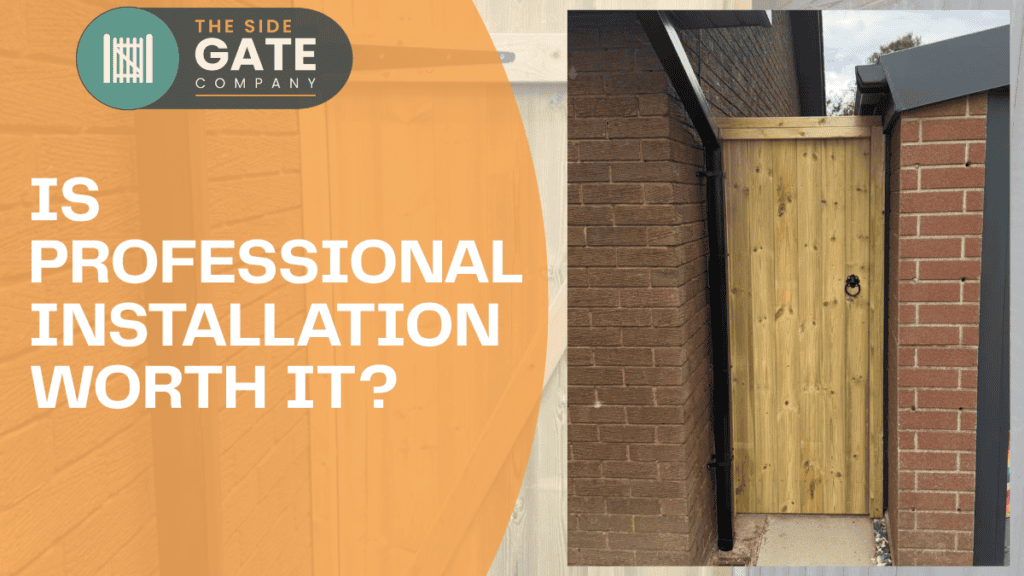
While experienced DIY enthusiasts may be able to hang a basic gate, professional installation offers several advantages.
Installers have the tools and experience to ensure accurate alignment, correct post spacing, and secure fixings. This reduces the likelihood of gates dropping over time or becoming difficult to open and close.
Professional fitting is particularly valuable for larger entrance gates, uneven ground, or properties requiring new structural posts.
For many homeowners, paying for expert installation provides confidence that the gate will operate safely and remain reliable for years to come.
Making the Right Choice
Selecting a new timber gate involves more than finding the lowest quotation. Considering material quality, installation standards, maintenance requirements, and long-term durability will help you make a better investment.
Whether you’re replacing an old side entrance or installing an impressive driveway gate, taking the time to compare options carefully can save money over the life of the gate while improving both security and kerb appeal.
If you’re looking for expert advice and professionally fitted timber gates, The Side Gate Company supplies and installs high-quality gates tailored to suit a wide range of homes. Choosing experienced specialists helps ensure your new gate is built to last and fitted correctly from day one.
Final Thoughts
Understanding the wooden gate installation cost involves far more than comparing average prices online. Timber quality, gate design, installation complexity, hardware, and ongoing maintenance all influence the true value of your investment.
By choosing quality materials, requesting detailed quotations, and working with experienced professionals, you’ll be better placed to enjoy a gate that enhances your property’s appearance, improves security, and provides reliable performance for many years.
Whether you need a simple garden entrance or a bespoke timber solution, The Side Gate Company offers expert guidance to help homeowners choose the right gate for their property, budget, and long-term needs.
Frequently Asked Questions
Most homeowners can expect to pay between £250 and £1,500, depending on the gate size, timber type, hardware, and whether new posts or groundwork are required.
A typical installation includes fitting the gate, adjusting hinges, installing the latch or lock, aligning the gate correctly, and checking that it opens and closes smoothly. Some quotations also include removing and disposing of the old gate.
Yes, if you’re looking for long-term durability and a premium appearance. Hardwood gates generally last longer than softwood alternatives when properly maintained, although they come with a higher initial purchase price.
If the posts are structurally sound and correctly aligned, they can often be reused. However, damaged or rotten posts should usually be replaced to ensure the new gate performs properly.
A straightforward replacement may only take a few hours, while installations requiring new posts, concrete foundations, or bespoke adjustments can take a full day or longer.
Most timber gates benefit from cleaning and applying a protective stain or preservative every two to three years, depending on weather exposure and the product used.